Health and Safety Policy for Man and Van Bayswater
 Man and Van Bayswater is committed to maintaining a safe, responsible, and well-organised working environment for all staff, contractors, customers, and members of the public. This policy sets out the standards we follow to reduce risk during every stage of a move, from preparation and loading to transport and unloading. Our approach is based on prevention, clear communication, and consistent safe working practices.
We recognise that moving activities can involve physical strain, moving equipment, traffic exposure, and time-sensitive decisions. For that reason, our man and van Bayswater operations are managed with care, with each job assessed before work begins. The aim is to identify hazards early and apply sensible control measures so that each removal or delivery is completed safely and efficiently.
 Health and safety responsibilities apply to everyone involved in our work. Managers are responsible for planning jobs safely, ensuring vehicles and equipment are fit for purpose, and confirming that workers understand safe procedures. Team members are responsible for following instructions, reporting concerns, and using equipment correctly. Customers also play an important role by sharing relevant information about access, parking, fragile items, or any unusual conditions that may affect the move.
Before any assignment, a basic risk assessment is carried out. This includes reviewing item weight, property access, stairways, floor surfaces, weather conditions, and potential obstructions. Where needed, additional precautions are introduced, such as using protective coverings, adjusting the number of staff on site, or changing the handling method for awkward items. This process helps Man and Van Bayswater services remain safe, practical, and dependable.
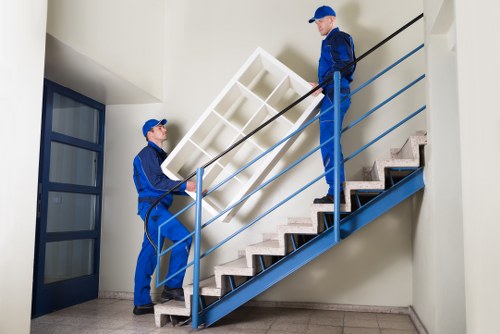
Manual handling is one of the main safety concerns in this sector. To minimise the risk of injury, staff are trained to lift with correct posture, avoid twisting while carrying, and ask for assistance when items are too heavy or difficult to manage alone. Team lifting, use of trolleys, and careful route planning are encouraged wherever possible. Loads are also distributed securely inside the vehicle to prevent shifting during transit.
 Vehicles are checked regularly to ensure they remain roadworthy and suitable for moving tasks. Tyres, lights, brakes, load restraints, and interior conditions are monitored as part of routine safety checks. Drivers are expected to follow traffic laws, drive at appropriate speeds, and take breaks when necessary to remain alert. Safe driving is essential to the overall health and safety performance of our man and van in Bayswater operations.
Workplace safety standards
Personal protective equipment is used when required, depending on the nature of the job. This may include gloves, safety footwear, high-visibility clothing, or back-support aids where appropriate. Equipment selection is guided by the task, and all tools must be inspected before use. Damaged or unsuitable equipment must be removed from service immediately to avoid accidents.
We also expect all work areas to be kept orderly. Clear walkways, secure stacking, and tidy loading zones reduce the chance of slips, trips, and falls. In properties with narrow spaces or delicate surfaces, extra care is taken to protect walls, door frames, and flooring. Good housekeeping is a simple but effective part of our Man and Van Bayswater policy.
Emergency readiness is another key part of our safety arrangements. Staff are trained to respond calmly to incidents, stop work if conditions become unsafe, and report accidents or near misses without delay. First aid supplies are kept available in vehicles where appropriate, and supervisors are expected to review incidents so that lessons can be learned and future risks reduced.
Training, communication, and review
 Training is provided to ensure workers understand safe lifting, vehicle loading, hazard reporting, and respectful conduct in customer premises. New team members receive instruction before working independently, and refresher training is provided when processes change or when gaps are identified. This helps maintain consistent standards across all man and van Bayswater tasks.
Communication is vital for safe work. We encourage early discussion of access issues, heavy items, time restrictions, and any special handling needs. Clear instructions help the team prepare properly and reduce avoidable delays. When everyone understands the plan, work can be completed with greater control and fewer safety risks.
Our policy is reviewed regularly to make sure it remains effective and up to date. Updates may be made after incidents, changes in working methods, new equipment purchases, or feedback from internal safety checks. The goal is continual improvement, with safe working practices embedded into every stage of the service.
 This policy applies to all Man and Van Bayswater services and forms part of our wider commitment to responsible operations. Safety is not treated as an extra task; it is built into planning, handling, transport, and customer interaction. By maintaining high standards, we protect people, property, and the quality of every move we undertake.
Everyone involved is expected to support this policy by acting carefully, reporting concerns quickly, and respecting the procedures in place. Through shared responsibility and ongoing attention to risk, our man and van service Bayswater remains focused on safe, professional, and reliable work at all times.